
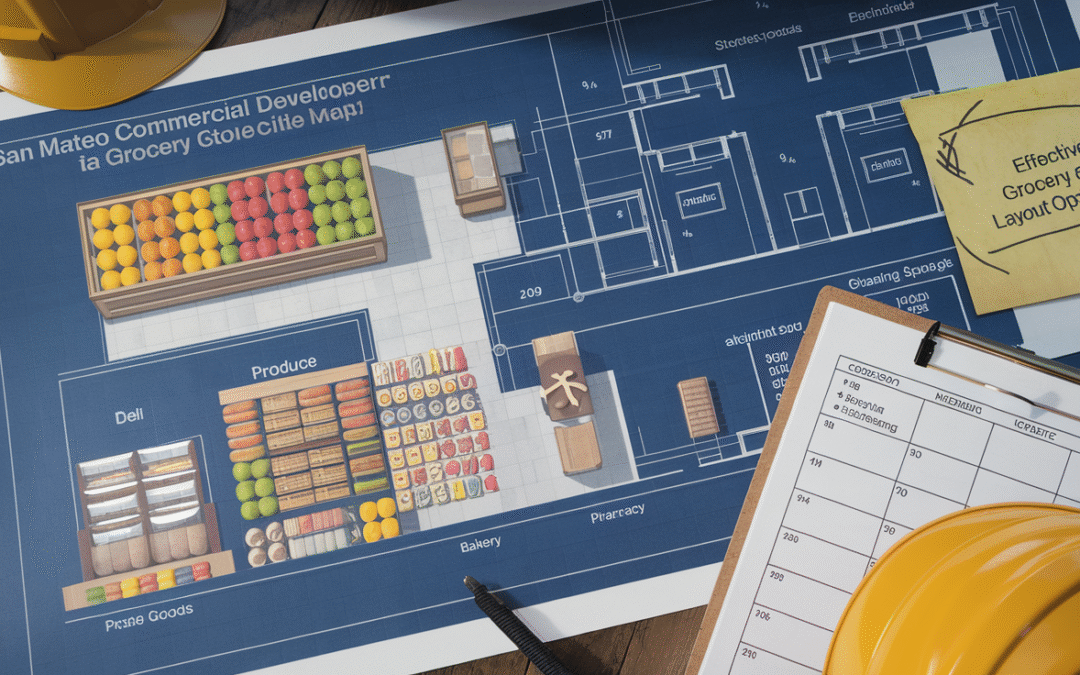
Optimizing Layout Plans for San Mateo Grocery Stores
In the vibrant retail landscape of San Mateo and the Bay Area, grocery store layout optimization is paramount to enhancing operational efficiency and customer satisfaction. Successful layout plans not only influence how shoppers interact with the store but also directly impact sales and inventory management. This article explores how commercial property developers and investors can optimize grocery store designs through strategic planning, leveraging the expertise of firms like iBuild Design and Construction.
Table of Contents
- Importance of Layout Optimization
- Key Elements of Successful Store Layouts
- Innovative Design Approaches
- Success Stories & Client Scenarios
- Conclusion
- Get Started with iBuild
Importance of Layout Optimization
Optimizing grocery store layouts involves more than just arranging shelves and aisles; it’s about crafting a shopping environment that maximizes efficiency and elevates the customer experience. A strategically optimized layout can lead to more satisfied shoppers, increased basket sizes, and higher store profitability. According to National Retail Federation, a well-thought-out layout can improve the time customers spend in-store and boost sales by 50%.
Enhancing Customer Flow
One of the key objectives is to ensure smooth customer flow throughout the store. This involves careful planning of entrances, exits, and aisles to avoid bottlenecks and facilitate a seamless shopping journey. iBuild Design and Construction emphasizes incorporating open areas and clear signage to guide customers effectively.
Maximizing Product Exposure
A successful layout highlights high-margin products and strategically places essential items to encourage impulse purchases. Merchandising plans, as offered by iBuild, use insights from consumer behavior studies to determine optimal product placement, which significantly impacts sales.
Emergency and Safety Standards
While optimizing layouts, adherence to safety standards is crucial. iBuild ensures compliance with the latest safety regulations and standards from reliable sources like the Centers for Disease Control and Prevention (CDC), ensuring both staff and customer safety.
Key Elements of Successful Store Layouts
Flexible Space Planning
Designing a flexible layout allows for adjustments in response to changing market demands. Flexible floor plans accommodate new trends or seasonal items without needing a total overhaul.
Innovative Use of Technology
Integrating technology, such as digital shelving and self-checkouts, in store designs is becoming essential. Implementing these technologies requires precise electrical and network planning, which iBuild expertly manages through comprehensive site analysis and project management.
Sustainable Design Choices
Sustainability is a growing concern among consumers and retailers. iBuild incorporates eco-friendly materials and energy-efficient systems in their designs, aligning with contemporary sustainability goals. This approach not only improves energy efficiency but also appeals to eco-conscious shoppers.
Innovative Design Approaches
The integration of new trends and technologies offers unique layout solutions crucial to the evolving retail sector.
Interactive Store Elements
Incorporating interactive elements such as digital information kiosks can significantly enhance customer engagement. iBuild utilizes advanced 3D modeling and visualization techniques to pre-test these elements before physical implementation, ensuring they fit seamlessly into the overall design.
Community-Centric Designs
Designs that reflect the local community can increase customer loyalty. By using materials and motifs that resonate with local culture, grocery stores can create an inviting atmosphere that feels more personalized and less generic.
Success Stories & Client Scenarios
To illustrate the impact of optimized store layouts, consider a recent project spearheaded by iBuild Design and Construction. A prominent grocery store chain in the San Mateo region partnered with iBuild to redesign an underperforming location. By implementing a new layout that improved traffic flow and product placement, they increased average customer spend by 15% within the first quarter post-renovation.
Seamless Integration with Operations
The project’s success was not just in layout changes but involved close collaboration with the store’s operational team to ensure that the design aligned with stocking, cleaning, and replenishing routines. This alignment minimized disturbances, maintaining service continuity even during renovations.
Comprehensive Feasibility and Budget Management
The project highlighted iBuild’s meticulous planning in terms of budget management and feasibility studies, ensuring the redesign did not just meet aesthetic and operational goals but also stayed within financial constraints. This approach exemplifies iBuild’s holistic service model. For more on their services, visit their service offerings.
Conclusion
Optimizing grocery store layouts requires a nuanced approach that balances design aesthetics with functional practicality. iBuild Design and Construction leverages its architect-led model to deliver innovative and efficient store environments that meet client needs and enhance customer satisfaction. Through strategic planning and effective execution, iBuild ensures every project aligns with industry best practices and client expectations.
Get Started with iBuild
Ready to transform your grocery store layout and boost profitability with expert insight? Partner with iBuild Design and Construction to bring your vision to life. Our team is committed to creating spaces that are not just beautiful, but intelligently designed for your operational needs. Contact us today to schedule a consultation and discover how our integrated approach can benefit your commercial project.